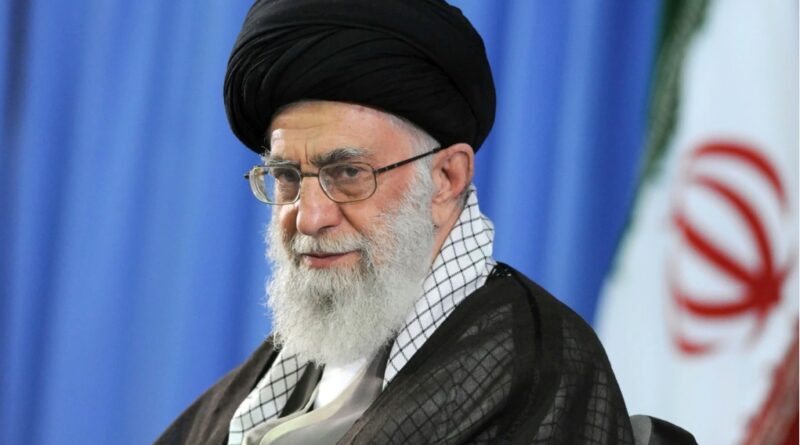
US STRIKE FORCE BUILDS IN MIDDLE EAST AS IRAN’S KHAMENEI FACES MOST DANGEROUS MOMENT OF HIS RULE
Iran’s Supreme Leader, Ali Khamenei, is facing what international observers describe as the gravest crisis of his decades-long leadership as the United States intensifies its military presence across the Middle East.
According to a February 20, 2026 report by Reuters, U.S. naval strike assets — including aircraft carriers and advanced fighter jets — have been deployed to the region amid rising tensions with Iran.
The growing military buildup comes as U.S. President Donald Trump reportedly issued a firm warning to Tehran, setting a limited timeline for progress on a new nuclear agreement. Failure to reach a deal could trigger serious consequences, according to U.S. officials.
WHAT IS DRIVING THE ESCALATION?
The crisis is rooted in long-standing disputes over Iran’s nuclear program and ballistic missile development. Washington is demanding stricter limits and expanded oversight, while Tehran insists its missile capabilities are essential for national defense.
Economic sanctions have continued to strain Iran’s economy, adding domestic pressure to an already volatile political climate. Analysts say Khamenei now faces a delicate balancing act — managing internal unrest while responding to increasing external military threats.
REGIONAL AND GLOBAL IMPLICATIONS
Security experts warn that any direct confrontation could destabilize the wider Middle East, potentially affecting key oil shipping routes such as the Strait of Hormuz and triggering global market volatility.
Diplomatic talks are reportedly ongoing behind the scenes, but military contingency planning remains active if negotiations collapse.
With tensions at a critical point, the coming days could determine whether diplomacy prevails or the region edges closer to open conflict.
