OBAMACARE IS A MONEY PIT FOR TAXPAYERS, WSJ ARGUES
In a hard-hitting opinion piece published in The Wall Street Journal, authors Ge Bai and Elizabeth Plummer warn that extending temporary “enhanced” Obamacare premium subsidies would be reckless for U.S. taxpayers.
The op-ed, which draws on a new study, claims that federal spending on subsidized health insurance plans has surged in recent years — with taxpayers now covering a dramatically larger share of total premiums than in the past. What started as a program intended to help low- and middle-income families has, the authors argue, become a broad entitlement without meaningful cost limits.
WHAT THE STUDY SHOWS
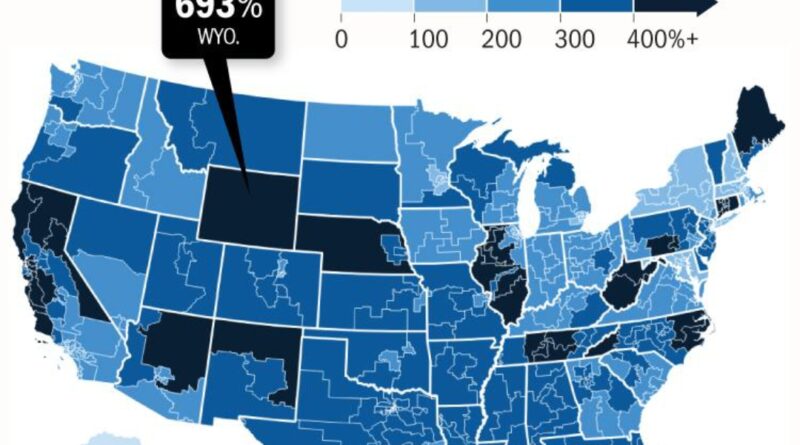
According to the study cited by the WSJ, taxpayers covered nearly 80 % of the premiums for subsidized plans in 2024, compared with about 30 % in 2014, before the subsidy expansions. Total spending on these subsidies exceeded $114 billion in 2024, significantly higher than in previous years.
The authors describe this shift as troubling not only for the federal budget but also for how the current design distorts market incentives. With more taxpayer dollars automatically paying insurer premiums, there is less price discipline — potentially leading to higher costs and reduced competition in health insurance marketplaces.
POLICY IMPLICATIONS
Congress faces a decision on whether to extend these enhanced subsidies, which were expanded during the pandemic and are currently scheduled to expire soon. Supporters of extension argue the subsidies help keep coverage affordable for millions of Americans, while opponents caution about long-term fiscal impacts and argue for reform.
The WSJ opinion urges lawmakers to consider the rising taxpayer burden before making temporary expansions permanent — warning against locking in spending that could grow with future healthcare cost pressures.
WHAT’S AT STAKE
The Affordable Care Act’s premium subsidies have become a central policy issue in broader healthcare debates, as lawmakers grapple with balancing affordability, access, and fiscal responsibility. Any decision on expanding or eliminating enhanced subsidies will have major implications for millions of Americans, federal spending, and the overall structure of the U.S. health insurance market.
