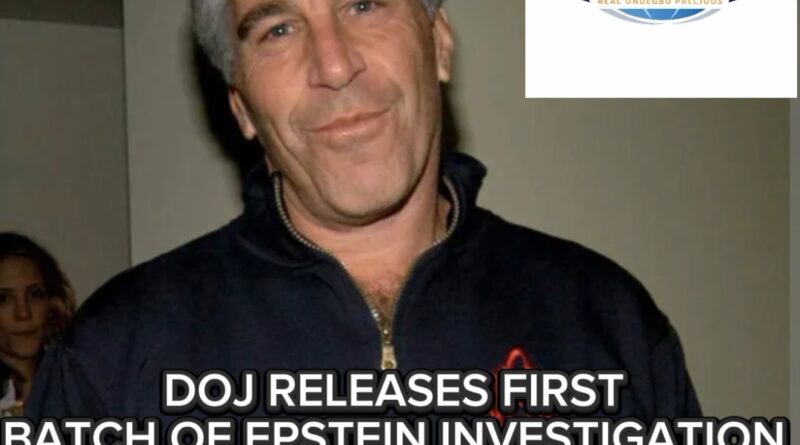
DOJ RELEASES FIRST BATCH OF EPSTEIN INVESTIGATION FILES AFTER CONGRESSIONAL ORDER
The U.S. Department of Justice has released the first segment of a massive collection of documents tied to the federal investigation of Jeffrey Epstein, marking a major development following intense political pressure in Washington.
The document release, made public on Friday, follows months of internal disputes that stretched across the Republican Party and challenged cohesion within the MAGA movement. The move was triggered by legislation passed by Congress requiring the Justice Department to publish all unclassified records connected to Epstein’s prosecution and investigation by December 19.
Deputy Attorney General Todd Blanche confirmed that the material published represents only a small portion of the total records. He added that the DOJ expects to release hundreds of thousands of additional documents in the coming weeks.
The bill, which former President Donald Trump initially resisted, passed overwhelmingly in both chambers of Congress. Trump had repeatedly criticized Republican lawmakers Thomas Massie and Marjorie Taylor Greene for leading the call to unveil the records, branding the effort a “Democrat hoax.” However, he reversed course last month and directed Republicans to support the legislation, clearing the path for its success.
The law allows the DOJ to protect certain sensitive information, including personal data belonging to victims, evidence related to child sexual abuse, and content tied to ongoing investigations or legal proceedings. The department is prohibited from withholding information solely because it may cause political embarrassment or reputational damage.
The new release follows the House Oversight and Government Reform Committee’s publication of more than 20,000 Epstein-linked emails in November involving high-profile figures in politics, media, academia, and entertainment.
Jeffrey Epstein, who died in federal custody in 2019, faced extensive allegations of sex trafficking and abuse involving underage girls spanning two decades.
The latest batch of documents is expected to attract scrutiny from both political parties, especially over how many names, communications, and investigatory findings will soon become public. Lawmakers are also awaiting required DOJ reports outlining every individual mentioned in the files and explanations behind any redactions made.
More disclosures are expected in the coming days as political pressure mounts for greater transparency surrounding the case.
