JUST IN: MIYETTI ALLAH DENIES U.S. TERROR ALLEGATIONS, ISSUES STRONG WARNING — 15 FEBRUARY 2026
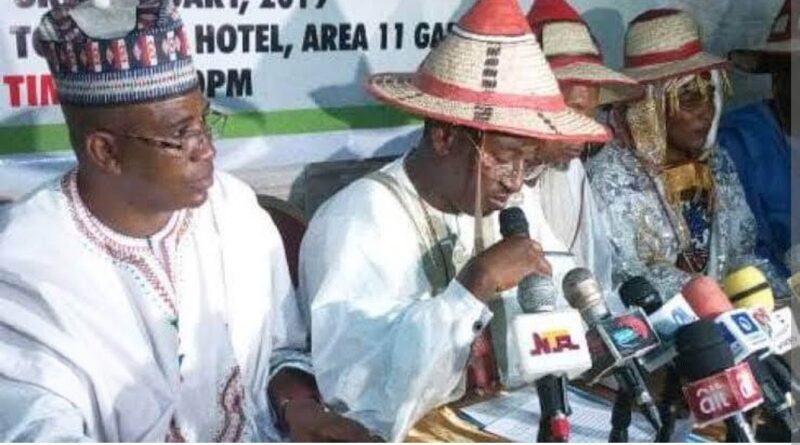
The Miyetti Allah Cattle Breeders Association of Nigeria (MACBAN) has responded sharply to emerging measures in the United States Congress that characterize the group alongside other figures and entities accused of serious violations, including alleged links to terrorism or religious persecution.The reaction came amid consideration of a U.S. legislative proposal known as the Nigeria Religious Freedom and Accountability Act of 2026, introduced in the U.S. House of Representatives by lawmakers including Chris Smith, Riley Moore, Brian Mast, and Bill Huizenga. The bill seeks targeted actions such as visa bans, asset freezes, and other sanctions against identified individuals and organizations, including MACBAN and allied Fulani‑ethnic groups, on grounds of alleged violations of religious freedom in Nigeria. MACBAN’s Rebuttal to AllegationsIn Abuja, Alhaja Baba Ngelzarma, National President of Miyetti Allah, held a news conference to reject any insinuations that the association is involved in terrorism, banditry, kidnapping, cattle rustling, or any violent activity. Ngelzarma stressed that no Nigerian or international court has ever convicted or indicted MACBAN for criminal or terrorist conduct. He described the linkage of MACBAN with terrorism as “false, unfounded, and injurious to the integrity” of the legally registered association, which was established in 1986 and recognized under Nigerian law for its role in livestock development, pastoral welfare, and conflict mediation. Ngelzarma also noted that the group’s members have themselves been victims of criminal violence. He pointed out that at least eight MACBAN state leaders were killed by armed groups in 2025 alone, illustrating that pastoral communities have often suffered from insecurity rather than perpetrated it. Call for Diplomatic EngagementIn his statement, Ngelzarma appealed to Nigerian lawmakers and diplomatic authorities to engage the U.S. Congress through legislative and diplomatic channels to address what he called “erroneous characterisations” that could harm Nigeria’s economy, trade relationships, and the welfare of rural communities. He warned that international blacklisting of legitimate national actors could deepen misunderstandings and fuel geopolitical tensions. He further urged media outlets — both Nigerian and international — to avoid stereotype‑driven reporting and to adopt more nuanced coverage of Nigeria’s complex security challenges, which require careful analysis rather than broad characterisations. Broader ContextThe proposed U.S. legislation has also drawn reactions from other Nigerian political actors, with parties such as the All Progressives Congress (APC) and the New Nigeria Peoples Party (NNPP) rejecting the targeting of figures like Rabiu Musa Kwankwaso and Miyetti Allah under the bill, arguing that there is no credible evidence linking them to extremist activities. As diplomatic and legislative discussions evolve, the controversy highlights increasing tensions over how external governments address issues of religious freedom, security, and human rights — and how Nigerian organisations respond when they feel misrepresented on the world stage.
