🚨 SUPREME COURT UPHOLDS BLOCK ON TRUMP’S NATIONAL GUARD DEPLOYMENT TO CHICAGO
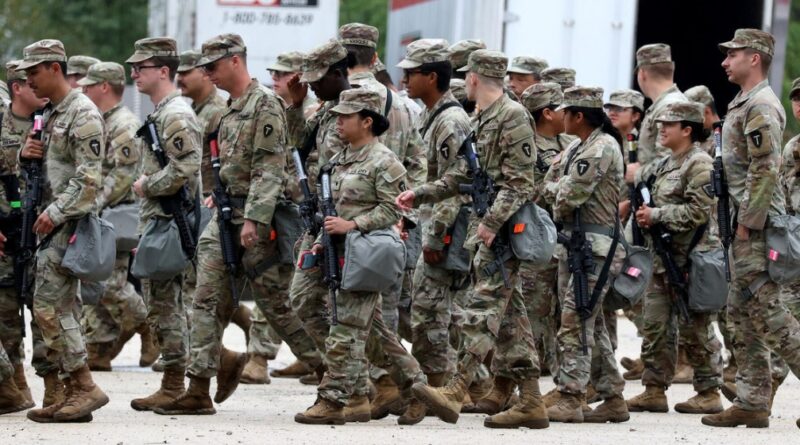
The U.S. Supreme Court has dealt a rare legal defeat to President Donald Trump, rejecting his administration’s emergency request to send National Guard troops into Chicago and surrounding areas amid his nationwide efforts to crack down on crime and enforce immigration policies. In an unsigned order issued on December 23, 2025, the Court declined to lift a lower court’s block on the deployment — a decision that maintains the ban on using National Guard forces in Illinois while legal challenges continue. The High Court’s action came after more than two months of litigation following the filing by state and local officials who argued that the federal government lacked legal authority to federalize the National Guard for domestic enforcement. 📌 BACKGROUND TO THE DISPUTEThe standoff began when President Trump moved to deploy National Guard troops to Chicago — part of a broader strategy that also saw Guard elements sent to cities like Los Angeles, Washington, D.C., Portland, and Memphis. The administration cited the need to protect federal personnel and enforce immigration laws as justification. However, the state of Illinois and the city of Chicago sued, arguing that the president’s actions exceeded his constitutional authority and violated federal law. A federal judge agreed, issuing an order that barred the Guard troops — a decision that was later appealed but ultimately upheld by higher courts. ⚖ SUPREME COURT RULINGThe Supreme Court’s decision to deny Trump’s emergency appeal keeps the block in place and signals judicial limits on the use of military forces within U.S. cities when state officials oppose such action. Although the order is not a final judgment on the merits of the underlying case, it represents a major check on presidential power in domestic military deployment. Three conservative justices — Samuel Alito, Clarence Thomas, and Neil Gorsuch — dissented, expressing support for broader presidential authority, while the majority held that the government failed to identify a clear legal basis for the troop deployment under existing law.
